
Supplements for Brain Health: B Vitamins, Omega-3s and Creatine
Explore the evidence on B vitamins, omega-3s and creatine for brain health, plus practical tips for comparing supplement labels and safety considerations.

Supplements for Brain Health
A practical guide to B vitamins, omega-3s, and creatine by Bridge-2-Health
A busy schedule, a restless night, another name you cannot quite remember. It is easy to see why brain health supplements get so much attention. But what can they actually offer?
Your brain needs nutrients to function normally. Supplements can help address certain nutritional gaps, and researchers are studying whether some nutrients may also support aspects of memory and cognition. An informed choice starts with understanding your nutritional needs, reading supplement labels carefully and recognizing the limits of the available evidence.
This guide examines three commonly discussed supplement categories: B vitamins, omega-3s and creatine. It also explains how to compare products without relying on exaggerated claims.
What to know before you choosing a Brain Health Supplement
B vitamins support normal nerve function, and vitamin B12 deficiency can cause neurological symptoms. DHA, an omega-3 fatty acid, is an important component of brain cell membranes. Creatine participates in cellular energy processes and is being studied for possible cognitive effects.
These biological roles do not mean that taking additional amounts will automatically improve memory or concentration. Benefits depend on factors such as nutritional status, the specific supplement, the dose and the individual.
It is also important to distinguish research on a nutrient from evidence for a particular commercial product. Studies of individual ingredients or specific research formulations do not establish that Bridge-2-Health products produce the same results.
B vitamins: Start with Nutritional Needs
Vitamin B12 helps maintain healthy nerve cells and supports normal neurological function. A deficiency can cause symptoms such as memory difficulties, confusion and other neurological changes. People who eat little or no animal food, as well as those with certain absorption problems, may need professional advice about their B12 intake and whether testing or supplementation is appropriate. [1]
B-complex supplements provide several B vitamins in one product. However, taking additional B vitamins does not automatically improve concentration or memory in people who already get enough.
Research on B vitamins and cognitive performance has produced mixed findings. Some studies have investigated whether B vitamins influence cognitive changes in older adults, but results do not support treating a B-complex supplement as a guaranteed way to improve memory. [2]
Before adding a supplement, consider your diet, existing supplements and any known nutritional deficiencies. A healthcare professional can help determine whether additional B vitamins are appropriate.
What the Multivitamin Research Tell Us
Some COSMOS studies found modest benefits in certain memory and cognition measures among older adults taking a specific multivitamin-mineral supplement. These findings do not establish dementia prevention and cannot be assumed to apply to B-complex supplements or Bridge-2-Health products. [3, 4]
The findings are relevant background, not proof that a particular B-vitamin formula provides cognitive benefits.
Omega-3s: Understanding EPA and DHA
Omega-3s are fatty acids found in foods such as fish, as well as in certain dietary supplements. Two commonly discussed omega-3s are DHA (docosahexaenoic acid) and EPA (eicosapentaenoic acid).
DHA is an important structural component of brain cell membranes. EPA also has important physiological roles in the body. However, the biological importance of these fatty acids does not mean that omega-3 supplementation consistently improves memory or prevents cognitive decline.
Studies examining omega-3 supplements and cognitive function have produced mixed results. Supplementation has not consistently demonstrated cognitive benefits in healthy older adults or people with Alzheimer's disease. [5]
How to Read an Omega-3 Supplement Label
When comparing omega-3 products, pay attention to the actual EPA and DHA amounts rather than relying only on the total fish oil quantity.
For example, a supplement labelled as containing 1,000 mg of fish oil does not necessarily provide 1,000 mg of EPA and DHA combined. The amounts can vary considerably between formulations.
Check the following details:
EPA amount: The quantity of eicosapentaenoic acid per serving.
DHA amount: The quantity of docosahexaenoic acid per serving.
Serving size: Whether the listed amounts apply to one softgel or multiple softgels.
Ingredient form: The type of omega-3 formulation listed on the label.
Directions and precautions: The recommended use and any relevant warnings.
Dietary sources should remain part of the overall picture. A supplement may be worth discussing if your usual diet does not provide enough omega-3s, but the appropriate choice depends on your individual circumstances.
Creatine: Research into Brain Energy and Cognition
Creatine is widely discussed in sports nutrition because of its role in energy metabolism. Creatine also participates in the brain’s cellular energy system, which has prompted research into its possible cognitive effects.
Researchers are investigating whether creatine supplementation may influence memory, attention and other cognitive skills. However, the findings are not uniform.
A 2024 review of 16 randomized trials involving 492 participants found improvements in some measures, including memory, but not in overall cognitive function or executive function. Other assessments have reached more cautious conclusions, so cognitive benefits remain uncertain. [6, 7]
The distinction between the findings matters. An improvement in a particular memory test does not establish that creatine reliably treats brain fog, memory loss or cognitive decline.
All the trials included in the 2024 review used creatine monohydrate. Their findings should not automatically be extended to other creatine forms or every commercial creatine formula.
A 2024 assessment by the European Food Safety Authority (EFSA) also concluded that a cause-and-effect relationship between creatine consumption and improved cognitive function had not been established. This was a European scientific assessment, not a U.S. regulatory decision. [8]
Creatine remains an area of research, and anyone considering supplementation should review the product's actual ingredients, serving size and directions rather than assuming that every formula has been studied for cognitive outcomes.
How to Compare Brain Health Supplements
Choosing a supplement is easier when you start with your needs rather than the claims on the front of the bottle.
1. Identify your goal. Consider whether you are addressing a possible nutritional gap, reviewing your omega-3 intake or considering creatine for another purpose.
2. Read the Supplement Facts panel. Check the individual ingredients and their amounts per serving. A product name or front-label claim is not a substitute for the full label.
3. Confirm the serving size. The number of capsules or softgels in a bottle is not necessarily the number of servings.
4. Review the quality information. Look for specific, verifiable information about the manufacturer, quality controls and any independent testing. Do not assume a product has a particular certification unless it is documented.
5. Check for overlapping ingredients. Combining a B-complex supplement with a multivitamin or other products may increase your intake of certain nutrients beyond what you intended.
6. Consider your medications and health history. A pharmacist or healthcare professional can help assess possible interactions and determine whether a supplement is appropriate.
7. Evaluate the evidence realistically. Research on a nutrient, ingredient or different formulation does not establish the effectiveness of the specific product you are considering.
Explore the Bridge-2-Health collection
The following products can be considered individually, depending on your nutritional needs and goals. There is no general requirement to purchase or take all three together.
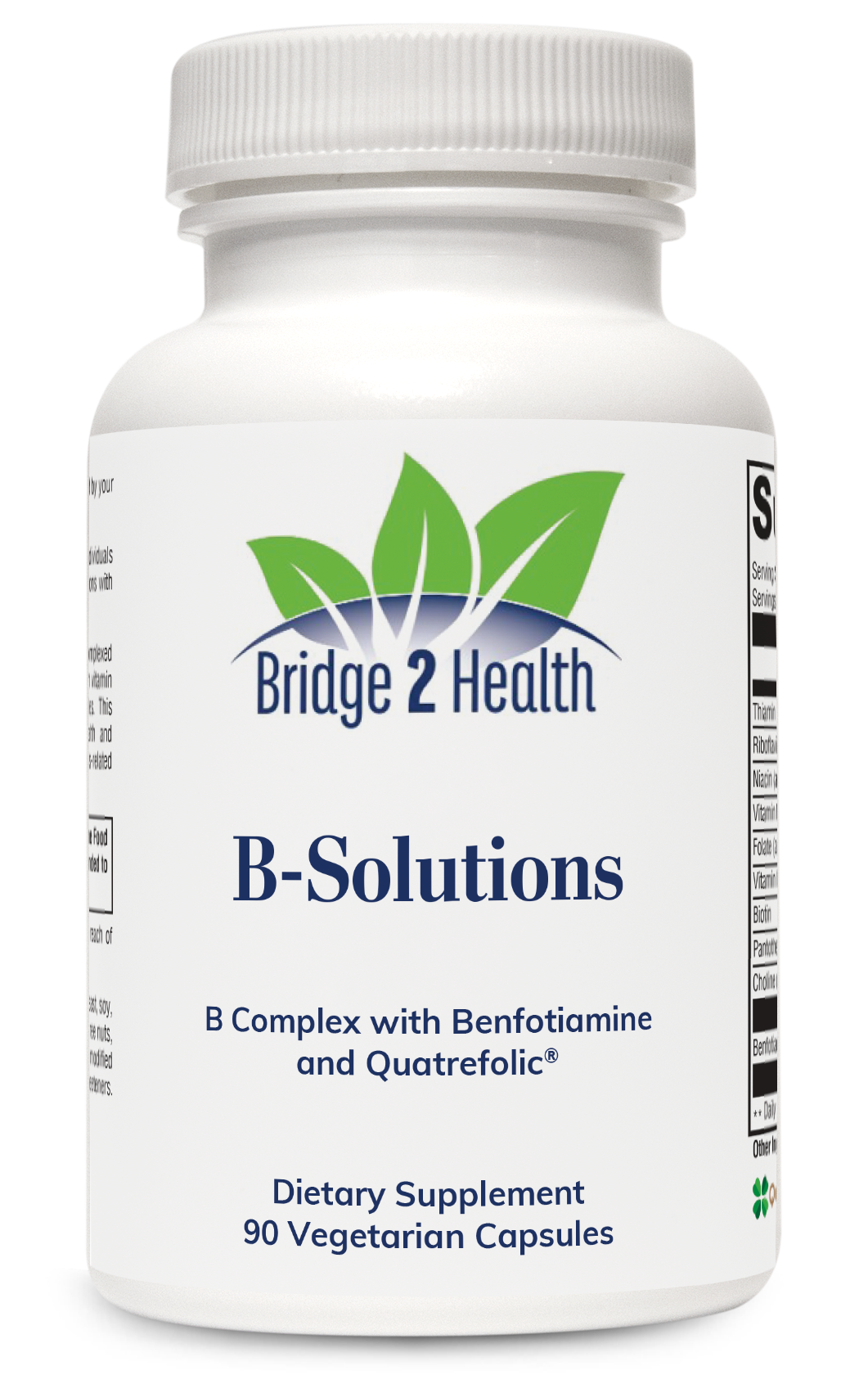
B Solutions - B Solutions is listed as a B-complex product containing several B vitamins, benfotiamine and Quatrefolic. Review the current Supplement Facts panel to confirm the individual ingredient forms and amounts before deciding whether it fits your needs. View B Solutions
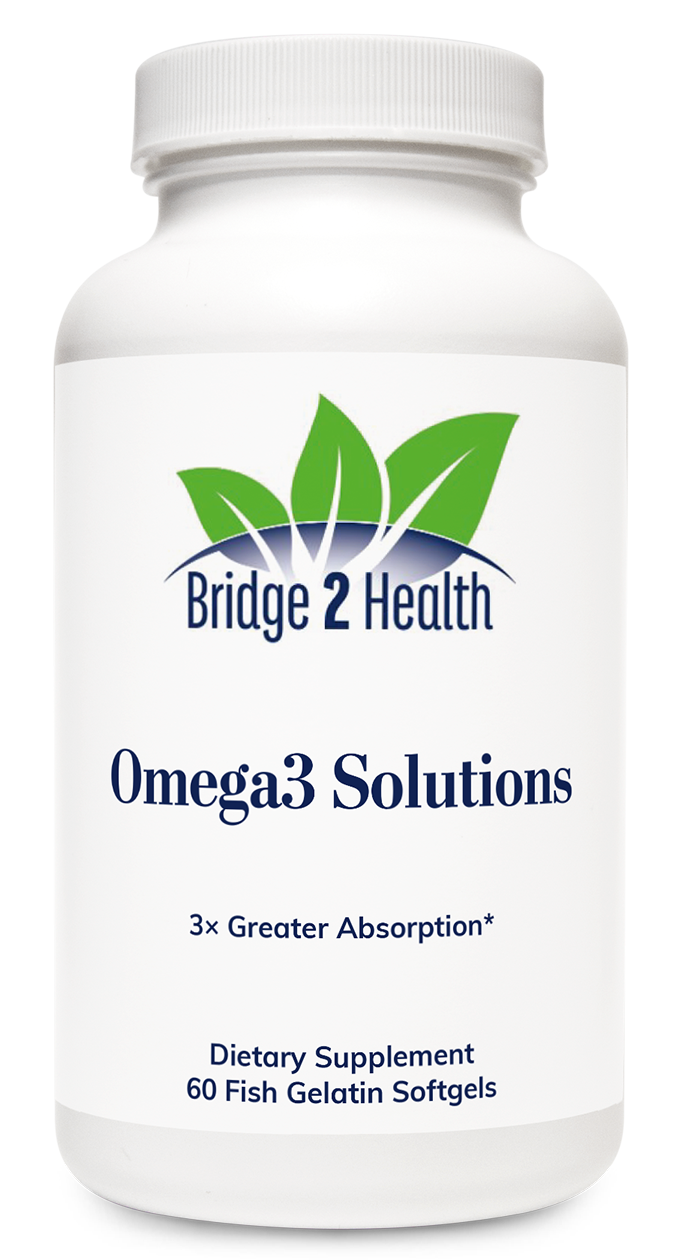
Omega-3 Solutions - This product page describes a fish-gelatin softgel containing EPA and DHA. Before comparing it with other omega-3 products, check the current label for the amounts of EPA and DHA per serving and the recommended serving size. View Omega-3 Solutions
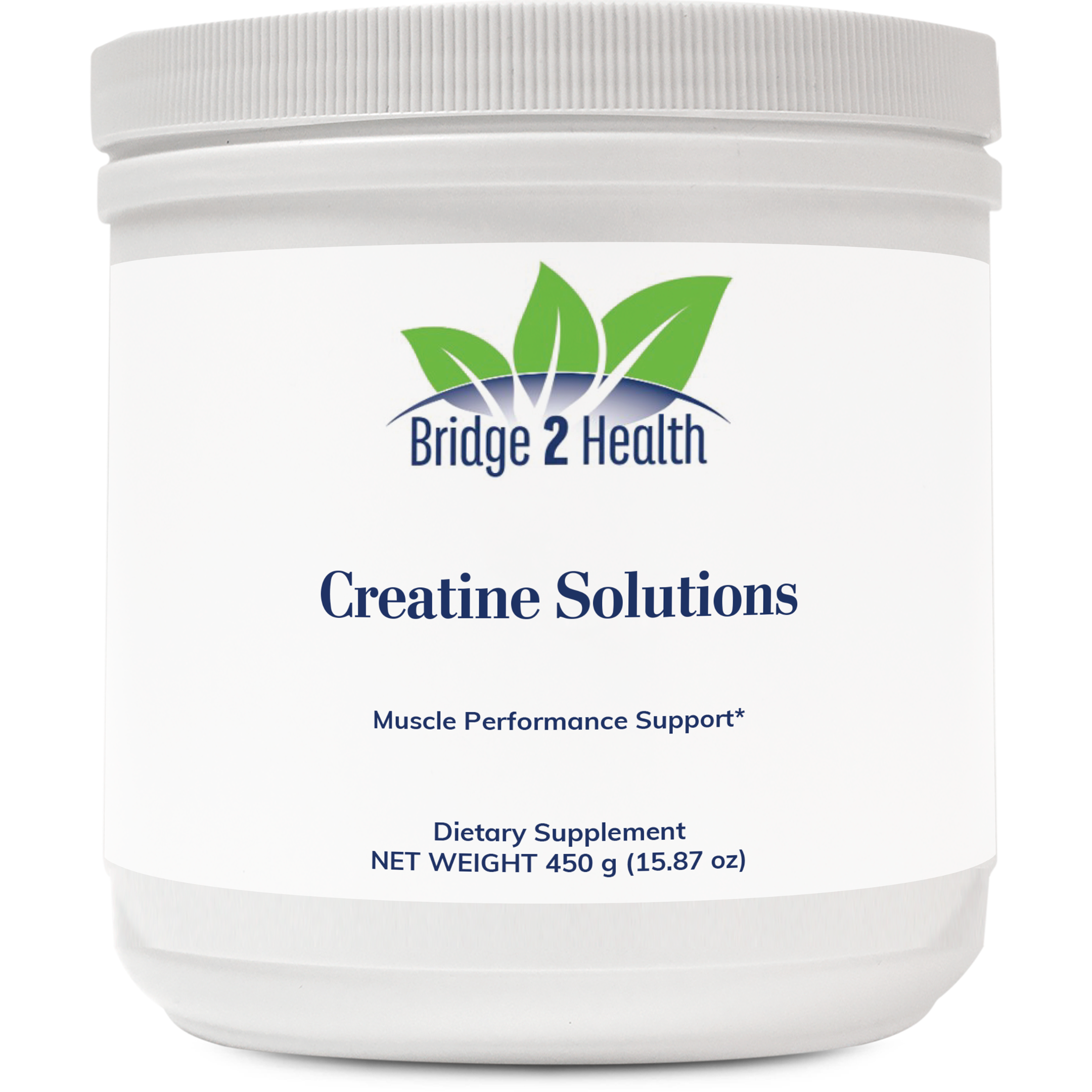
Creatine Solutions - Review the current product label to confirm the form of creatine, amount per serving, serving size and directions. Research involving creatine monohydrate should not be assumed to apply to a product unless its formulation is confirmed to match the relevant evidence. View Creatine Solutions
These links provide product information for comparison. They should not be interpreted as evidence that the products have been clinically proven to improve memory or prevent cognitive decline. Follow the directions on the current label, and seek professional guidance if you are unsure whether a product is suitable for you.
Precautions to Keep in Mind
Supplements can be useful in some circumstances, but more is not always better.
B vitamins: Excessive supplemental vitamin B6 can cause nerve damage. Check the combined amount from B-complex products, multivitamins and other supplements, and avoid unintentionally duplicating ingredients. [2]
Omega-3s: People taking anticoagulants or other medications that affect blood clotting should discuss omega-3 supplementation with their healthcare professional, particularly when considering higher doses. This precaution does not mean that all omega-3 use causes bleeding. [5]
Creatine: People with kidney disease or abnormal kidney test results should consult a healthcare professional before using creatine. Creatine can also affect the interpretation of certain laboratory measurements, including blood creatinine, so tell your clinician about any supplements you take. These precautions do not mean that creatine has been established to damage healthy kidneys. [9]
Other circumstances: If you take prescription medications, are pregnant or breastfeeding, or have a medical condition, ask a healthcare professional or pharmacist to review your supplement choices.
New, persistent or worsening memory problems deserve medical evaluation. Memory changes can have several possible causes, and choosing a supplement should not delay an appropriate assessment.
Support Brain Health Beyond Supplements
Brain health depends on more than individual nutrients. A varied diet, regular physical activity, adequate sleep and opportunities for social connection all have a place in an overall approach to health.
Supplements may complement these habits when there is a clear reason to use them, but they cannot replace a balanced lifestyle or medical evaluation when symptoms arise.
Bridge-2-Health provides product information to help readers compare available options. Review the current labels, understand the evidence and choose according to your individual needs rather than assuming that one supplement is necessary for everyone.
Explore the Bridge-2-Health collection
Educational information only. This article does not provide a diagnosis or personalized treatment advice. Dietary supplements are not intended to diagnose, treat, cure or prevent disease.
References
1 National Institutes of Health, Office of Dietary Supplements. Vitamin B12: Fact Sheet for Consumers.
2 National Institutes of Health, Office of Dietary Supplements. Vitamin B6: Fact Sheet for Consumers.
3 Yeung LK, et al. Multivitamin Supplementation Improves Memory in Older Adults: A Randomized Clinical Trial. The American Journal of Clinical Nutrition. 2023. PubMed.
4 Vyas CM, et al. Effect of multivitamin-mineral supplementation versus placebo on cognitive function: results from the clinic subcohort of the COcoa Supplement and Multivitamin Outcomes Study (COSMOS) randomized clinical trial and meta-analysis of 3 cognitive studies within COSMOS. The American Journal of Clinical Nutrition. 2024. PubMed.
5 National Institutes of Health, Office of Dietary Supplements. Omega-3 Fatty Acids: Fact Sheet for Health Professionals.
6 The effects of creatine supplementation on cognitive function in adults: a systematic review and meta-analysis. 2024. Full text via PubMed Central.
7 Creatine supplementation and cognition: systematic review of the available evidence. 2024. PubMed.
8 EFSA Panel on Nutrition, Novel Foods and Food Allergens. Creatine and improvement in cognitive function: Evaluation of a health claim pursuant to Article 13(5) of Regulation (EC) No 1924/2006. EFSA Journal. 2024. PubMed.
9 The Effect of Creatine Supplementation on Kidney Function: A Systematic Review and Meta-Analysis of Randomized Controlled Trials. PubMed.
Explore More Health Insights
Discover more evidence-based articles about nutrition, cellular health, and holistic wellness.
View All Articles