
Energy and Hormone Support Supplements: A Practical Guide
Explore energy and hormone support supplements, compare ingredients and labels, and learn when to seek professional guidance for your wellness goals.
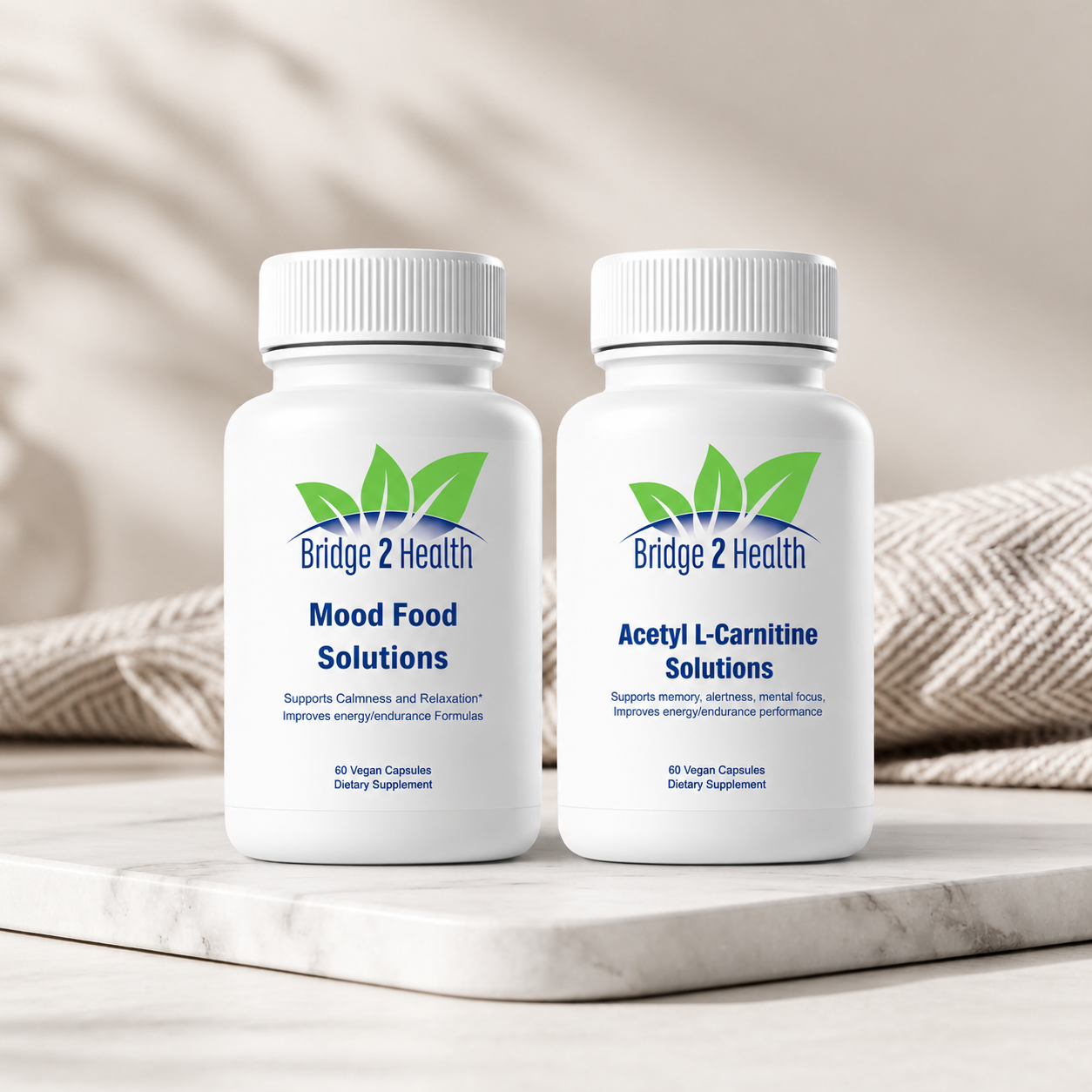
Energy, Hormone Support and Vitality: A Smarter Supplement Guide
Understand your needs. Compare ingredients. Build a routine with purpose.
Feeling tired can make even a familiar day feel demanding. Before reaching for another supplement, start with a clearer question: what kind of support do you actually need?
A busy schedule, disrupted sleep, and nutritional gaps can call for different approaches. This guide helps you understand common supplement categories, compare product labels, and decide when professional guidance should come first.
Start with your goal, not a crowded supplement shelf
Choose one concern to focus on, such as reviewing your nutrient intake or improving your bedtime routine. Write down what you already take and what you hope to change. This gives you a useful starting point when speaking with a healthcare professional or comparing products.
Supplements can complement your diet, but the evidence varies by ingredient, formulation, and intended use. A broad promise about energy or vitality does not establish that a product will help with your particular concern. [1]
Energy support: when nutrients may matter
Vitamin B12 is needed for healthy blood and nerve cells. A deficiency can cause tiredness and weakness. However, B12 supplements do not improve energy or endurance in people who already get enough B12. [2]
Iron helps make hemoglobin, which carries oxygen through the body. Iron deficiency anemia can cause fatigue, but taking iron without an identified need is not a sensible shortcut to more energy. Too much iron can be harmful. [3]
These examples show why identifying a nutritional need matters more than choosing the strongest-looking formula. Discuss persistent fatigue with a healthcare professional rather than assuming you need a particular nutrient.
Hormone support: look beyond the category name
Treat “hormone support” as a starting point for questions, not as a diagnosis or a guaranteed result. Check what is actually in each product, what evidence supports its ingredients, and whether its warnings apply to you. [1]
Changes in energy, sleep, menstrual patterns, or libido deserve individual attention. Avoid selecting a supplement solely because these symptoms seem to match a product's marketing description. Ask a qualified healthcare professional about ongoing changes before using products to address a suspected hormonal problem.
A useful question to bring to your appointment is: “Could my symptoms have a cause that needs assessment before I start a supplement?”
Sleep deserves its own plan
Sleep supports attention, mood, and daily functioning. Adults ages 18 through 60 generally need at least seven hours of sleep each night, although recommendations vary for older age groups. A consistent bedtime and wake time can support healthier sleep habits. [4]
Sleep supplements are not interchangeable. Melatonin may help with some timing-related sleep concerns, including jet lag, but it is not a universal solution for insomnia. Evidence for magnesium supplements for insomnia remains limited. [5]
If poor sleep regularly affects your day, discuss it with a healthcare professional. Before comparing products, identify whether your main concern is falling asleep, staying asleep, or feeling rested. That distinction can help guide the conversation.
A simple foundation for everyday vitality
Use your supplement search as an opportunity to review your overall routine. Consider regular meals, adequate hydration, movement suited to your abilities, and time to rest. Choose one practical habit you can maintain instead of trying to change everything at once.
For example, you might begin with a consistent wake time or a reminder to prepare lunch. A manageable routine is easier to evaluate than several new supplements and lifestyle changes started together.
Five questions to ask before buying
1. What Is My Reason for Taking This?
Look for a clear purpose you can discuss with your healthcare professional. Avoid buying several products simply because they promise general wellness.
2. What Does One Serving Contain?
Read the ingredient amounts and serving size. Check for duplication with multivitamins, energy products, and other supplements you already take.
3. What Evidence Supports the Ingredients?
Look for research relevant to the intended use and the actual formulation. A study of one ingredient does not prove that every product containing it produces the same results. [1]
4. Can I Verify the Quality Claims?
Look for clear manufacturer information and documentation supporting testing or certification claims. Quality testing does not, by itself, establish that a supplement will achieve your intended goal. [1]
5. What Are the Warnings and Purchase Terms?
Review medication interactions, allergens, directions, shipping information, and return policies. If auto-delivery is offered, read its cost, frequency, and cancellation terms before enrolling.
Explore the Bridge-2-Health Collection
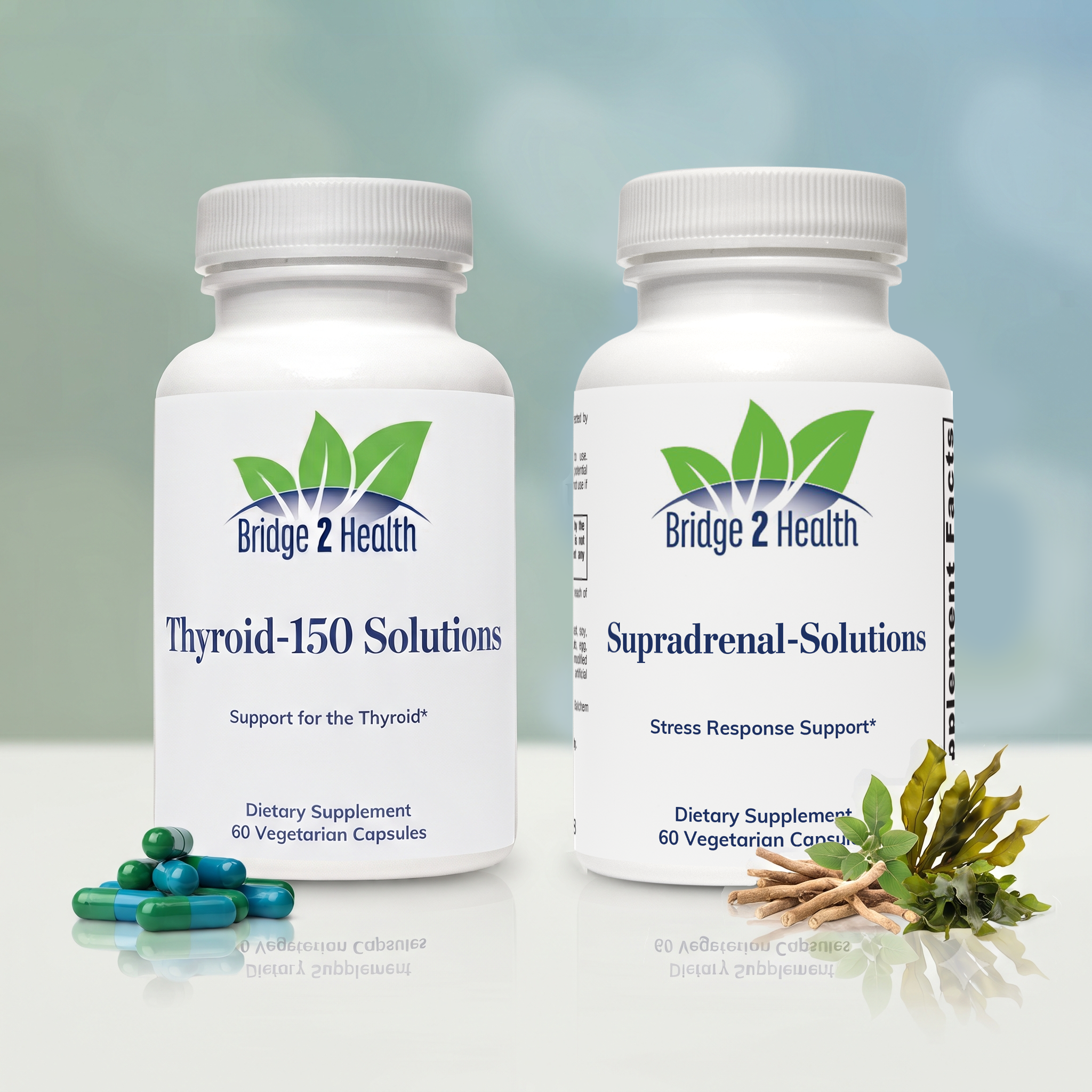
Ready to compare options? Visit the Energy & Hormone Support collection at Bridge-2-Health. Use the questions above as your checklist, then review each product's current Supplement Facts, directions, and warnings before deciding what to discuss with your healthcare professional.
Explore the collection: Energy & Hormone Support
Save the product names or labels that interest you so you can ask specific questions. A clearer comparison starts with the ingredients and amounts, rather than the category name alone.
Frequently asked questions
What Is the Best Supplement for Low Energy?
There is no single best choice for everyone. Vitamin B12 or iron may be relevant when a deficiency is present, but the appropriate approach depends on why you feel tired. [2, 3]
Can a Supplement Balance My Hormones?
Do not assume that a category name proves a formula can correct a hormonal problem. Review the ingredients and discuss persistent symptoms with a healthcare professional before choosing a product. [1]
Does “Natural” Mean Safe?
No. Natural ingredients can still cause side effects or interact with medicines. Consult your healthcare professional if you take medication, have a medical condition, are pregnant or breastfeeding, or have surgery planned. [1]
Can I Take Several Wellness Supplements Together?
Have the combination reviewed for overlapping ingredients, total intake, and potential interactions. Bring the full product labels rather than just the product names. [1]
Where Should I Start?
Choose one goal, list your current supplements, and review the relevant labels. If symptoms persist or disrupt daily life, arrange a professional assessment before adding more products.
Explore Our Energy & Hormone Support Collection
This article is for educational purposes and does not replace personalized medical advice. Dietary supplements are not intended to diagnose, treat, cure, or prevent disease.
References
NCCIH: Using Dietary Supplements Wisely
NIH Office of Dietary Supplements: Vitamin B12 Fact Sheet for Consumers
NIH Office of Dietary Supplements: Iron Fact Sheet for Consumers
Explore More Health Insights
Discover more evidence-based articles about nutrition, cellular health, and holistic wellness.
View All Articles